(A Reflection Inspired by a C.H. Spurgeon Quote)
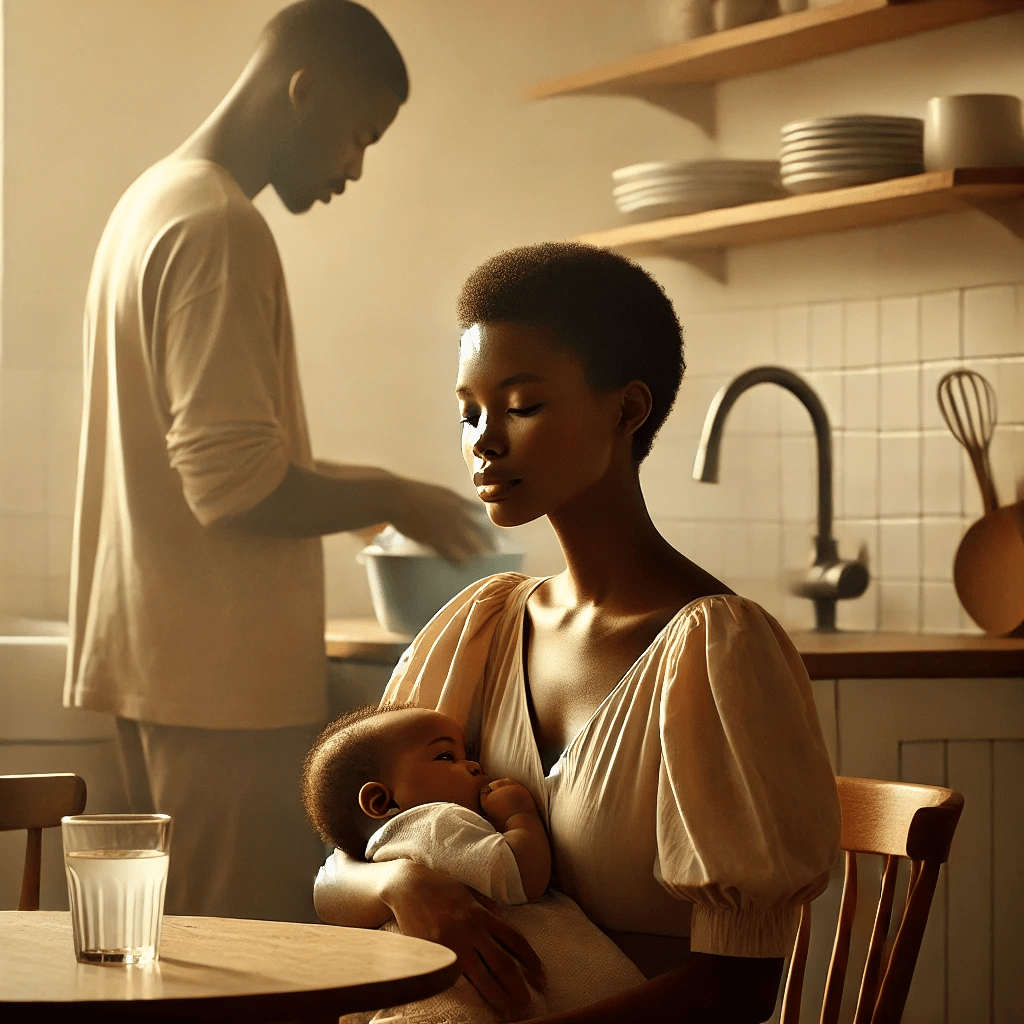
There is a peculiar, sacred mystery in the way love teaches us what no human instructor ever could. Charles Spurgeon once observed that no one truly teaches a young mother how to manage her first child, yet she learns – by love. It is love that wakes her before dawn, love that steadies her trembling hands, love that whispers wisdom into the silence when she has no idea what to do. She steps into motherhood untrained, unprepared, inexperienced… and yet she rises. She learns as she loves.
And what Spurgeon said of mothers echoes across the whole landscape of family.
Because it is also true that no one teaches a man how to be a father. The moment the child arrives, he is as new, as inexperienced, as unprepared as the mother. Yet somehow, society places the weight on one and excuses the other. Women are expected to transform overnight – to nurture, to provide, to carry the home on their backs – while men are often given the soft permission to delay responsibility, to say “I wasn’t ready,” as though readiness were the prerequisite for love.
But love has never waited for readiness.
Love trains you by requiring you.
Love matures you by demanding presence.
Love shapes you by calling you to serve.
A woman does not get the luxury of detaching herself from motherhood when things become overwhelming. She cannot decide to live as though she is single simply because responsibility is heavy. She leans into the burden because love will not let her walk away. Love wakes her. Love carries her. Love makes her stay.
So why, then, should love ask any less of a man?
Marriage does not erase a man’s freedom – it refines it. Fatherhood does not trap him – it summons him. To love is to be accountable. To love is to show up. To love is to bend your will toward the needs of another, not because it is convenient, not because you are taught how, but because love itself teaches you.
When a man withdraws from the home because “the woman will handle it,” it is not a lack of skill – it is a lack of love.
When he treats responsibility as optional – it is not immaturity – it is absence of love.
Love will not allow a man to watch his family carry weight he should help bear.
Love will not permit him to behave as though he is still single, still unattached, still unbound.
Love will move him toward his home, not away from it.
Because if love is real, it cannot be idle.
As Spurgeon said, love drives impossible exertions. It makes widows do the unimaginable. It makes mothers raise children they were never trained for. It makes ordinary people extraordinary. And that truth stretches far beyond parenting – it reaches into the heart of every relationship we build, every family we form.
Love is what keeps a home alive.
Love is what brings a man home to his wife and children.
Love is what breaks selfishness.
Love is what awakens responsibility.
Love is what transforms us.
If you have love enough – real, sacrificial, Christ-shaped love – you can become who your family needs. You can choose presence. You can fight passivity. You can carry your share of the load. You can love well.
And as Spurgeon ends on the note of salvation, I also believe that if love is strong enough to bring souls to Christ, then certainly love is strong enough to build a home, because love conquers all.
 The Olive Narrative
Leave a comment